
Field work
We visit farms.
A distributor that only holds stock cannot tell a manufacturer anything useful. Visiting farms is how a product reaches the people who use it, and how we learn what the market actually thinks of it.
How a visit works
What a visit actually involves.
01
Visit
We go to the farm or clinic and see the animals as they are actually kept.
02
Understand
What they are feeding, what is going wrong, what they have already tried, and what they can realistically manage.
03
Introduce
The product that fits the problem, with its label, its dosage and an honest account of what it will not do.
04
Feedback
What changed, what did not, and what they would want different. Manufacturers rarely get to see this.
05
Follow up
We go back. Repeat orders come from the follow-up, not the first visit.
Where we go
One supplier, from a pet owner to a camel herd.
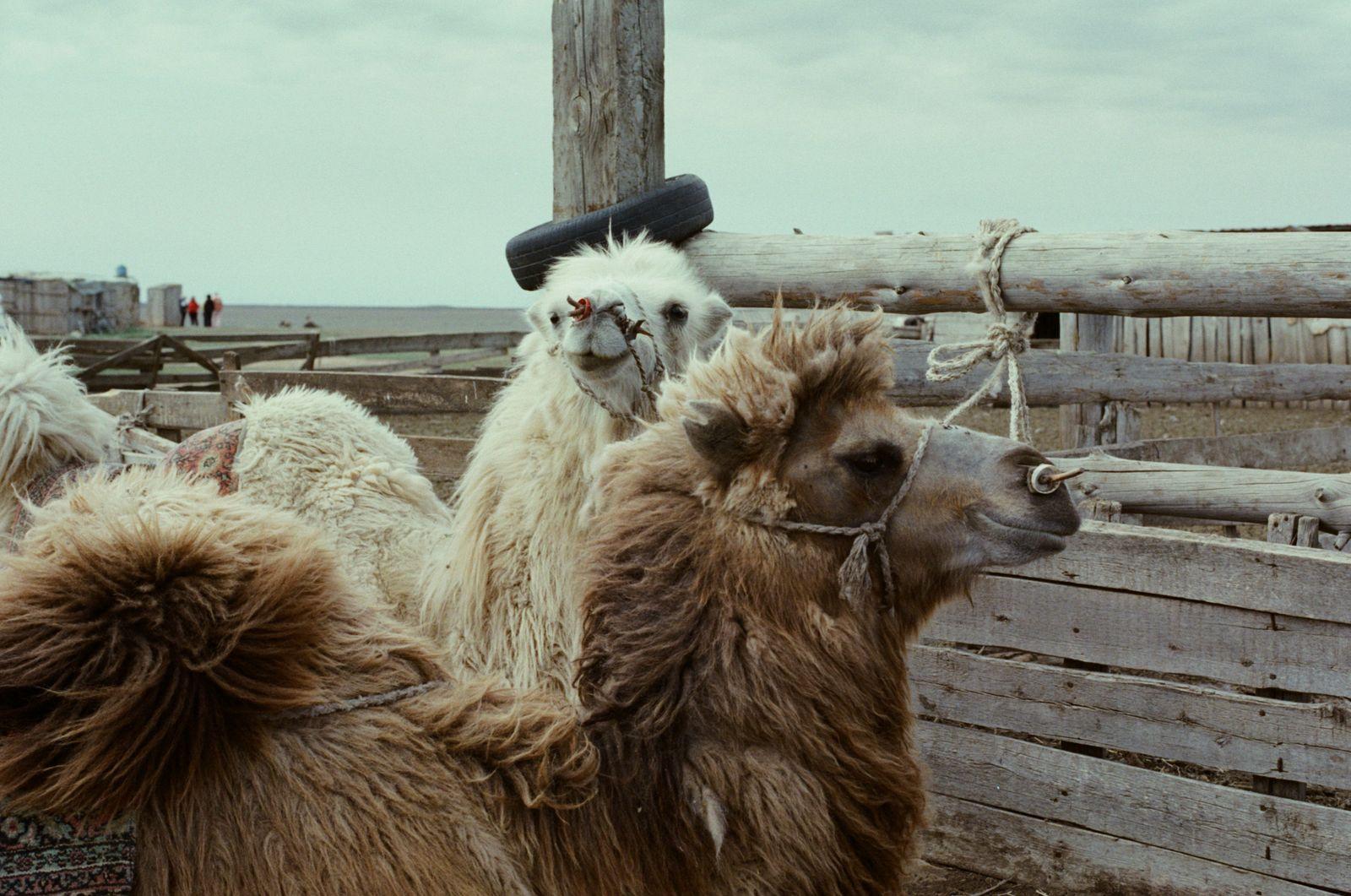
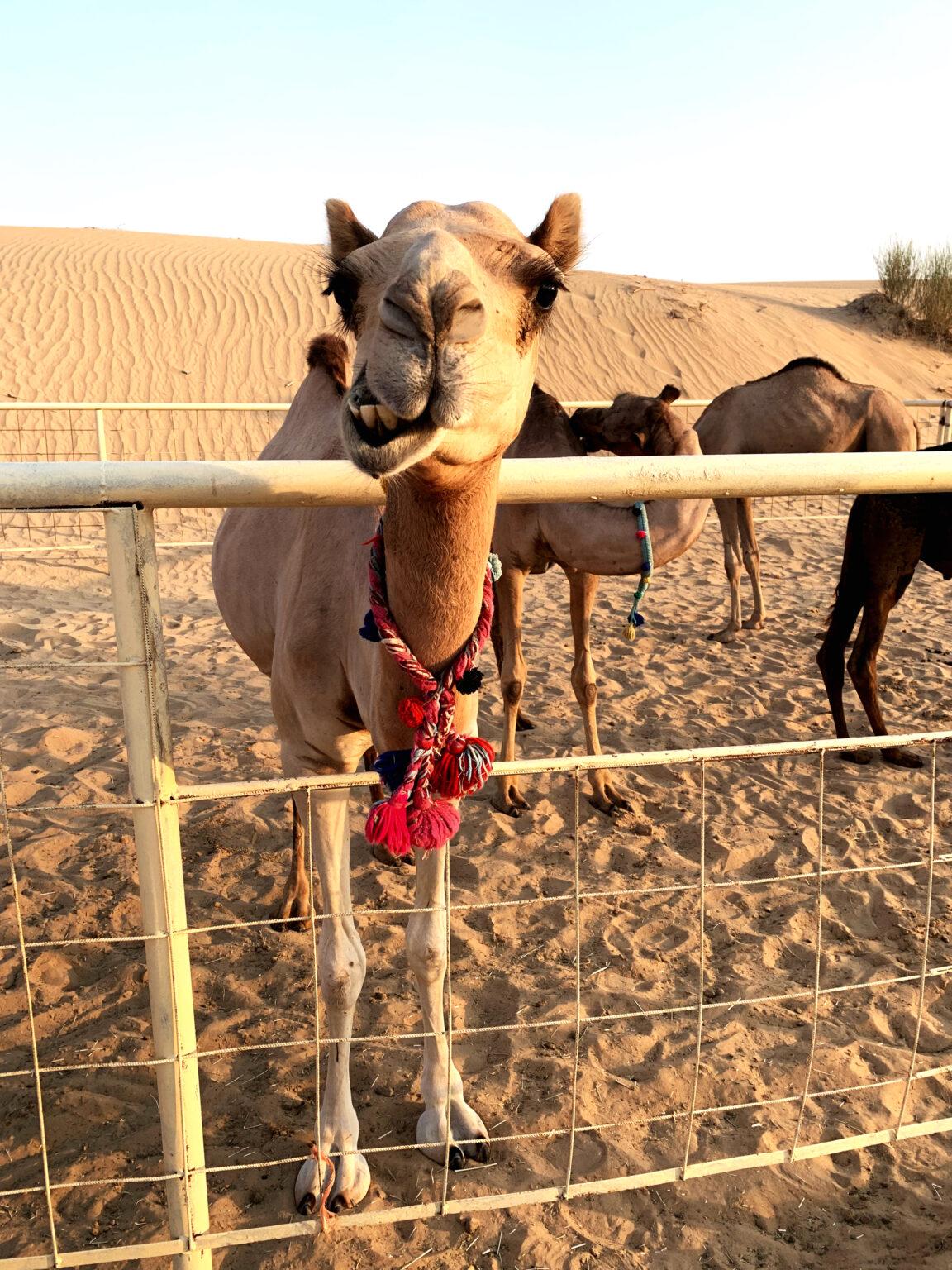
Camel yard 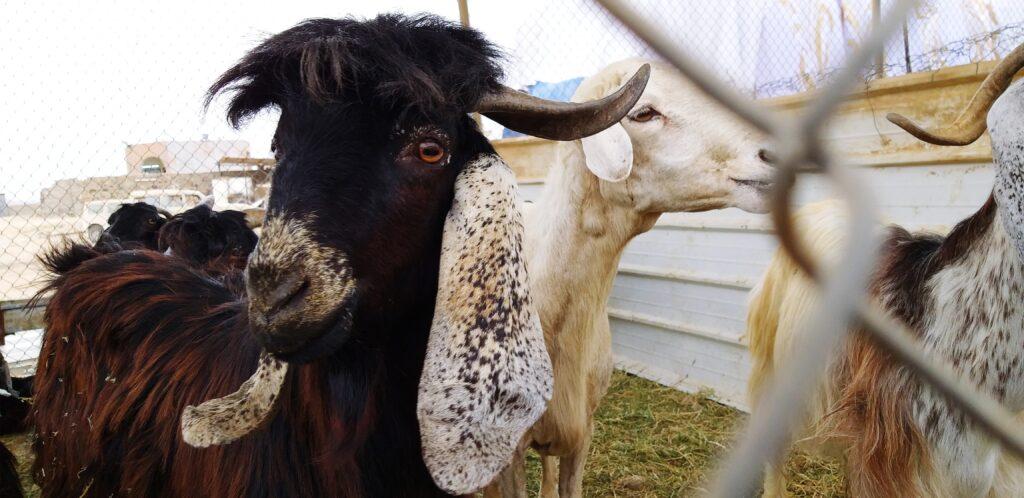
Goat and sheep yard 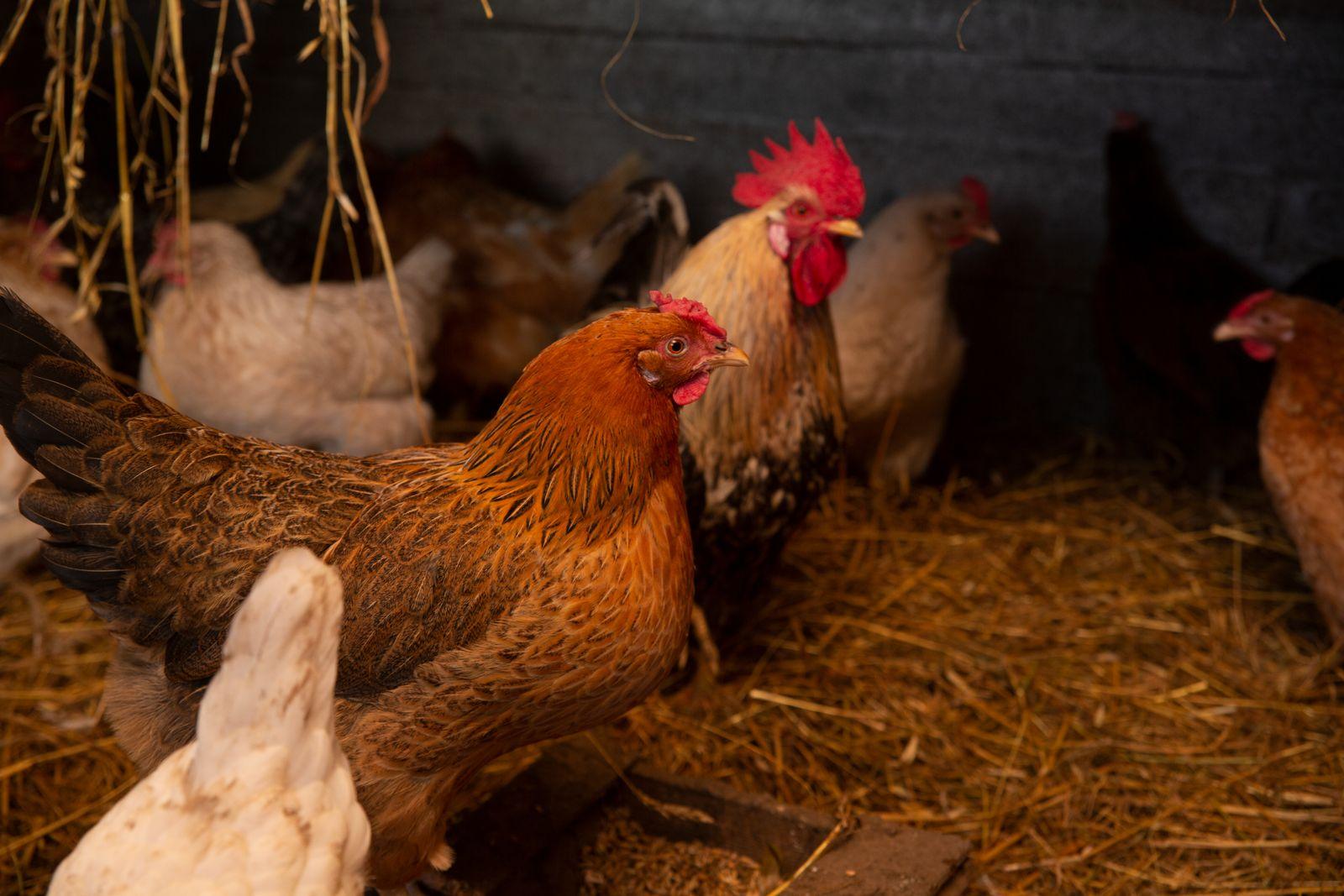
Poultry house
Partnerships
Why this matters to manufacturers
This is the difference between a warehouse and a distributor. It is also where the feedback comes from: what changed on the farm, what did not, and what the product would need to sell better here.