
A demand that arrives all at once
At the onset of lactation a cow or camel moves from a modest daily calcium requirement to a very large one within hours. Mobilising calcium from the skeleton is a slower process than that, and it takes a day or more to come fully up to speed.
The gap between demand and supply is where milk fever sits. Because the timing is tied to an event you can see coming, this is one of the few metabolic problems in the yard that can be planned for rather than reacted to.
Older animals and high-yielding animals are generally at greater risk than first-calvers, and an animal that has had milk fever once is more likely to have it again.
What to watch for
- Unsteadiness behind, or a reluctance to rise
- Cold ears and a dry muzzle
- Muscle tremor, then dullness
- An animal lying with its head turned into its flank
- A slow or stalled calving in an otherwise healthy animal
An animal that is down is a veterinary emergency. That needs a veterinarian and injectable treatment, not an oral supplement, and the delay involved in trying something else first is the part that costs animals. Call the vet, then keep the animal upright and supported while you wait.
Plan the window, not the crisis
The practical work is knowing which animals are due and when, so the treatment falls in the right hours rather than whenever someone notices. A calving list on the wall of the store does more for milk fever than any single product.
How the dry period should be managed — body condition, and how minerals are fed in the weeks before calving — depends on the ration and the herd, and it is genuinely a veterinary conversation. It is worth having before the season, not during it.
Where an oral gel fits
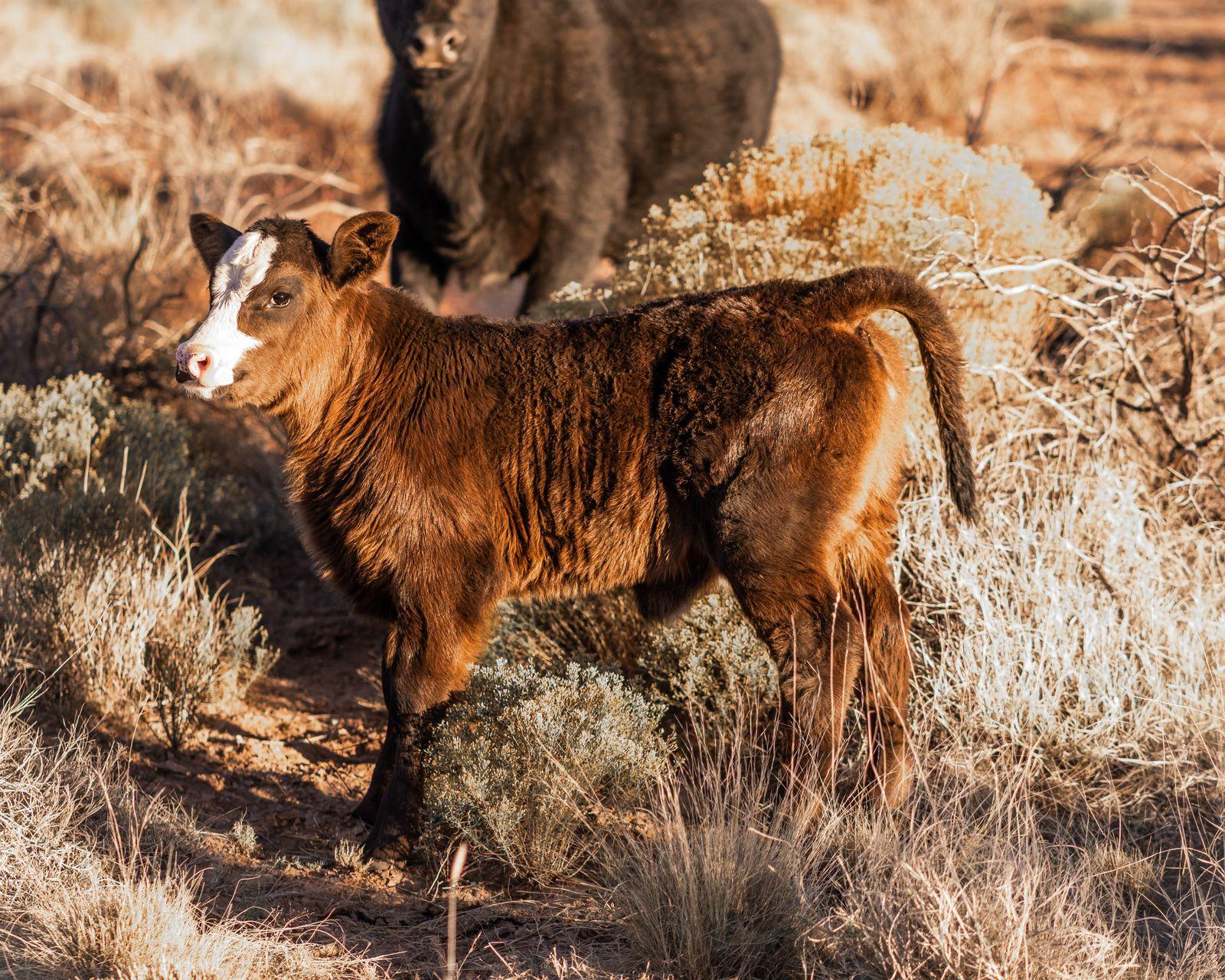
Calcigel is a single-dose oral gel carrying 43.5 g of ionic calcium and 25,000 I.U. of vitamin D3 per 300 g. The label directs one tube 6–12 hours before calving and another 6–12 hours after, given orally. For calves, half a bottle is directed to support bone strength.
It is a planned measure around a known event. It is not a treatment for an animal already down, and it does not replace the vet's injectable calcium in that situation.
Give it to an animal that can swallow properly. A dull or recumbent animal can inhale an oral dose, which turns one problem into a worse one.
Then the lactation
Once the animal is milking, the demand does not go away — it settles into a sustained draw on calcium, phosphorus and trace minerals for as long as the lactation lasts.
Lactitone PRO carries calcium and phosphorus with vitamin D3, B12, iron, zinc and copper, plus Shatavari and Jeevanti, at 100 ml twice daily for camel and cattle and 20 ml twice daily for calves, goats and sheep.
These notes are general guidance. Always follow the product label, and speak to your vet about any animal that is unwell.
Back to articles